Basic Information
| Field | Details |
|---|---|
| Full name | Susan Tose Spencer |
| Born | August 1, 1941 |
| Died | March 24, 2025 (age 83) |
| Education | B.A., Boston University; M.A. in Education/Economics, Hofstra University; J.D., Villanova University School of Law |
| Notable roles | Legal counsel, Vice President, and Acting General Manager, Philadelphia Eagles; entrepreneur in food and meat-processing industries; author; media host |
| Family | Father: Leonard H. Tose; Mother: Jayne Esther (Orensten/Achter); Sister: Nan Tose Schwartz; Daughter: Marnie Schneider; Husbands: Ira Schneider (first), Harold Fletcher (second), Robert “Bob” Spencer (third) |
| Health | Publicly reported dementia/Alzheimer disease during later years |
| Selected publication | Briefcase Essentials: Discover Your 12 Natural Talents for Achieving Success in a Male-Dominated Workplace |
Early life and education
Susan Tose Spencer was born on August 1, 1941, into a family already threaded through Philadelphia’s civic life. Her schoolroom beginnings were literal; after college she taught at the junior-high level, holding a B.A. from Boston University and later completing an M.A. in Education and Economics at Hofstra University. In her mid 30s she enrolled in Villanova University School of Law, earning a J.D. while raising a child and pivoting from teacher to lawyer. This late career classroom became a launching pad for the legal and managerial work that would shape her public profile.
Entrepreneurial start and early ventures
In the early 1970s Susan launched a tennis-dress clothing brand called Papillon while living in South Florida. The business grew quickly and then faltered amid a partner dispute and litigation, an experience that left both scars and lessons. Rather than retreat, she used the episode to retool: she studied law and built a toolkit of contracts, negotiations, and operational fixes that would serve her in high-pressure settings. The arc from fashion entrepreneur to lawyer shows a willingness to reinvent raw setbacks into strategic advantage.
Running the Philadelphia Eagles front office
In the late 1970s and early 1980s Susan moved into a legal role with the Philadelphia Eagles and rose to become vice president and acting general manager during a period of intense financial strain for the franchise. The timeline is stark: she assumed major operational responsibility in the early-to-mid 1980s, a time when the team’s ownership was wrestling with debt and the franchise changed hands in 1985. As the de facto head of day-to-day operations she ordered audits, tightened budgets, reined in liberal ticket comping, and installed formal human resources and financial controls. Her work was surgical, like a mechanic opening the hood and replacing dozens of small, failing parts to revive a stuttering engine.
Pivot to food industry entrepreneurship
After the sale of the team and a final move away from NFL operations, Susan rebuilt her career in the food and meat-processing sector. She acquired and ran multiple companies that served as suppliers to national chains, and profiles of her businesses describe annual revenues that climbed into the multi-millions. She operated as principal, dealmaker, and manager, combining procurement know-how with logistical coordination and sales strategy. Later she added commodities trading, consulting, and media hosting to her résumé, creating a diversified second act that sustained her professionally for decades.
Publications, media, and advocacy
Susan authored Briefcase Essentials, a practical manual aimed at helping women identify and deploy workplace strengths in male-dominated fields. The book distilled lessons from a life of pivots, legal fights, and boardroom pressure into 12 actionable talents. She also appeared on radio and podcast segments, hosted business shows, and gave interviews that cast her both as a strategist and as a coach. Her voice in these forums was direct and unsentimental, offering tools rather than platitudes.
Family, relationships, and private life
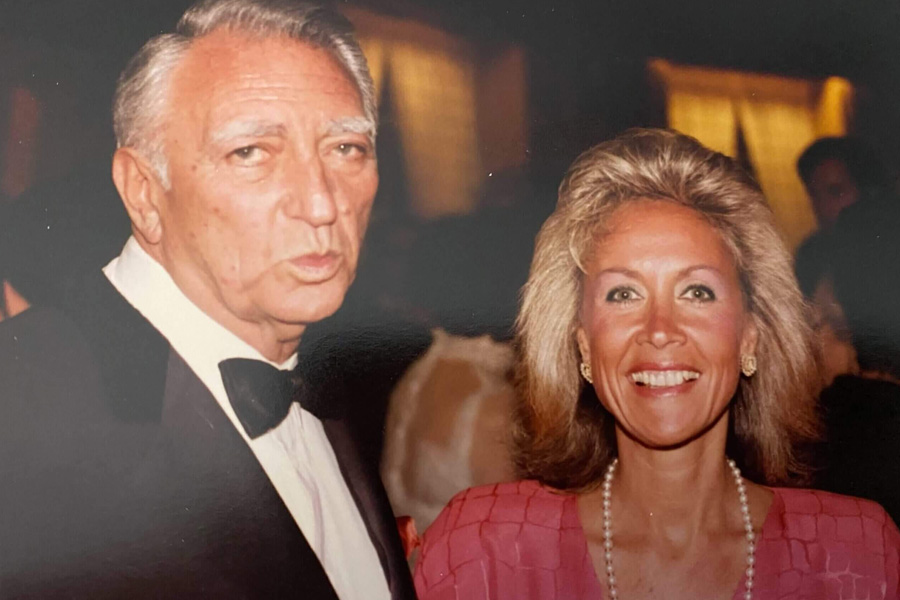
Family was a throughline. Leonard H. Tose, her father, owned the Philadelphia Eagles from 1969 to 1985 and is a central figure in the backdrop to much of Susan’s public life. Her mother, Jayne Esther, and sister Nan Tose Schwartz appear in public notices and obituaries as lifelong family anchors. Susan’s personal life included three marriages: first to Ira Schneider, with whom she had daughter Marnie; an 11-year marriage to Harold Fletcher that coincided with parts of her Eagles tenure; and a long marriage to Robert “Bob” Spencer that ended with his death in 2023. Her daughter Marnie became a visible caretaker and public chronicler during Susan’s later years. The household landscape also included beloved dogs named Irving, Cash, Mark, and Boom.
Health, caregiving, and final years
In the late 2010s Susan was publicly identified as living with dementia and Alzheimer type illness, a development that shifted the story from professional triumphs to caregiving and memory work. Her daughter chronicled the caregiving journey in personal posts and in a first-person account that became part of the public record. Susan spent her final years near family care and passed away on March 24, 2025, at age 83.
Timeline and figures
| Year | Event |
|---|---|
| 1941 | Born August 1 |
| 1962 | Graduated Boston University |
| Early 1970s | Founded Papillon clothing company |
| Mid 1970s | Entered Villanova Law School around age 35 |
| Early to mid 1980s | Legal counsel, VP, and acting GM of Philadelphia Eagles |
| 1985 | Sale of the Eagles by Leonard Tose concluded |
| 1986 | Married Robert “Bob” Spencer |
| 2010s | Published Briefcase Essentials and engaged in media work |
| 2018 | Public caregiving and Alzheimer diagnosis reports emerge |
| 2023 | Husband Bob Spencer predeceased Susan |
| 2025 | Died March 24 at age 83 |
Financial context
The financial forces around Susan’s public profile are twofold: first, her father’s well documented gambling-related losses and debt issues drove part of the crisis she was asked to manage at the Eagles; second, her later career produced multiple profitable enterprises in food processing and distribution that brought sustained revenue but no single public net-worth figure. In short, the record shows business scale and profitability but not an audited personal fortune.
Public perception and legacy
Susan Tose Spencer occupies a liminal place between sports history and business biography. She is often described as the first woman to run an NFL team’s front office in practice if not by formal title. That description reads like a torch passed through a storm: she walked into institutional chaos, applied legal discipline and financial triage, and then moved outward into industries where resilience and negotiation matter. Her life can be seen as a mosaic of reinvention, equal parts trial lawyer, operations fixer, and entrepreneur.
FAQ
Who was Susan Tose Spencer?
Susan Tose Spencer was an attorney, entrepreneur, and sports executive who served as legal counsel, vice president, and acting general manager of the Philadelphia Eagles and later built businesses in the food industry.
Was she the first woman to run an NFL front office?
She is widely described in contemporary accounts as the first woman to run day-to-day operations of an NFL team’s front office.
What book did she write?
She wrote Briefcase Essentials, a guide focused on helping women discover workplace talents and succeed in male-dominated environments.
Who are her closest family members?
Her father was Leonard H. Tose, her daughter is Marnie Schneider, her sister is Nan Tose Schwartz, and her husbands included Ira Schneider, Harold Fletcher, and Robert “Bob” Spencer.
When did she die and how old was she?
She died on March 24, 2025, at the age of 83.
Did she have a public net worth figure?
No verified public net-worth figure is available; public materials detail business revenues and success without publishing an audited personal wealth number.
What health challenges did she face?
She was publicly reported to have dementia and Alzheimer type disease in her later years.
What industries did she work in after leaving the Eagles?
After the Eagles she ran meat-processing and distribution businesses, worked in commodities trading and consulting, and hosted media programs.