Family and early life
I begin with a simple fact that anchors the rest: she was born in 1923 in a Midwestern county where winters teach you to be practical. That place was Hennepin County. From that beginning came a life shaped by work, responsibility, and the kind of private courage that rarely seeks the spotlight. I have always been drawn to people who stand in the background yet steer a family like the unseen rudder of a ship. Gretha filled that role.
She married and became part of a household that included a Norwegian father and two boys. Marriage and separation left marks on the family ledger. There were two jobs, long days, and the small economies of thrift that allow a home to persist. I can picture her economy of effort as a ledger of cup after cup of coffee, each one a promise to keep things moving.
Jon-Erik and the sons
Jon-Erik Hexum
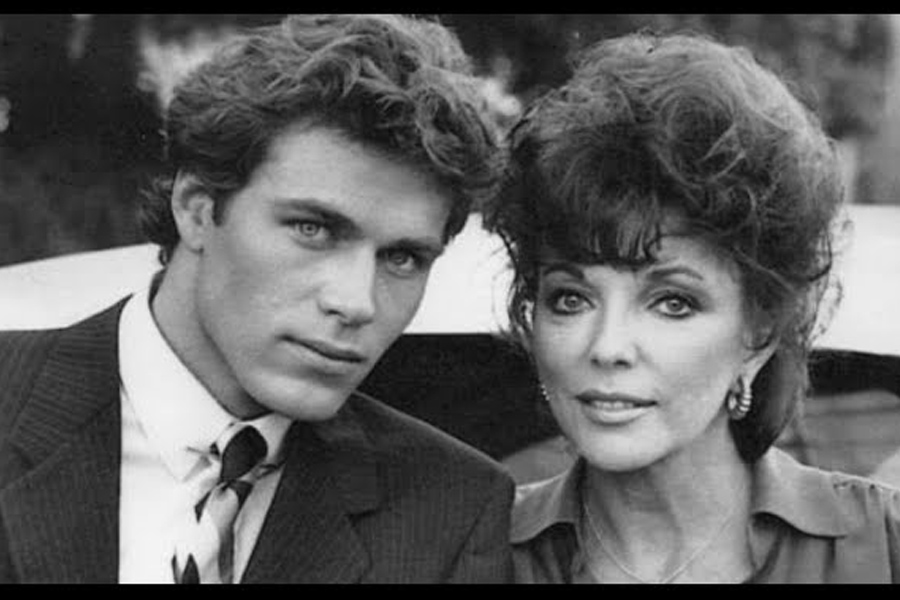
My conversations on Gretha always center on her children, her visible legacy. On November 5, 1957, her youngest son Jon-Erik was born. The young man became an actor, a TV star, and had an accident that impacted many lives. Gretha attempted to guide and shelter Jon-Erik, a bright, restless light. That advice matters in family history.
Gunnar, her older son, was obscure. History describes Gunnar Hexum as an older sibling who shared the same early years and separate household when the parents divorced. The details concerning him are modest, which fits a family that valued private above public biographies.
The family story mentions their Norwegian father, Thorleif, as a pale map point. Midcentury family narratives often have Thorleif Hexum leaving when the sons were small. I don’t linger on absence, but single parenting in the 1960s and 1970s required long hours and fortitude.
Work, survival, and legal action
Gretha worked. She worked two jobs, like many single parents her age. She played parts that demanded adaptability, practicality, and presence. Not flashy accomplishments. They are enduring achievements.
Gretha formalized her accountability after her son’s October 1984 tragedy. She filed a wrongful-death suit that year for answers and compensation. Defendants included a major television studio and production firm. 20th Century Fox Television and Glenn Larson Productions produced. This wasn’t about headlines for Gretha. It was an attempt to evaluate and record a perilous moment’s ledger.
I see her at a desk late at night, papers arranged like small issues to solve. Image feels right. She wanted an institutional response to personal loss.
Places that mattered
The boys grew up in a New Jersey borough that shaped their school years and neighborhood routines. That place was Tenafly. Tenafly was the setting for school plays, teenage summers, and the small social calibrations that send a young person toward a career or away from it.
Later, legal filings and official matters were handled in urban California, and her last years were spent in a county that holds many such stories. That county was Los Angeles County. I picture Los Angeles County as a wide theater of administrative and emotional work where private grief met public institutions.
Timeline table
| Date | Age or Number | Event |
|---|---|---|
| August 19, 1923 | 0 | Birth in Hennepin County |
| November 5, 1957 | 1 (son) | Jon-Erik born |
| Early 1960s | 4 to 6 | Separation from father, single parenting begins |
| October 1984 | 61 | Family tragedy involving son |
| 1985 | 62 | Wrongful-death lawsuit filed |
| October 29, 1988 | 65 | Gretha passes away |
The table is not exhaustive. It is a skeleton to hold the bones of a life that moved in small, significant increments.
How I read their relationships
I read Gretha’s life as a study in the domestic novel of the twentieth century. She is at once an individual and a familial axis: a mother who kept accounts of ordinary life, an instrumental figure behind two sons and the choices they made. Family members orbit around her decision-making. The sons’ careers and tragedies do not erase her presence. Instead, they throw it into relief.
If I allow a metaphor, I see Gretha as the foundation stones under a house. You notice the roof and the windows easily. But remove those stones and the house will not stand.
FAQ
Who was Gretha Hexum?
I will answer briefly. She was a woman born in 1923 who raised two sons largely on her own after an early marital split. She worked multiple jobs to provide for the family and, following a tragic accident involving her younger son, pursued legal action to seek accountability.
What were the names and roles of immediate family members?
Her sons were Jon-Erik and Gunnar. Jon-Erik became an actor, born November 5, 1957. Gunnar is the older brother, less visible in public records. Their father was Thorleif, who left the household when the boys were young. Gretha remained the homemaker, wage earner, and the practical heart of the family.
Did Gretha take legal action after the family tragedy?
Yes. In 1985 she filed a wrongful-death suit against a television studio and a production company. The legal action was a formal step to examine the circumstances of her son’s death and to seek redress.
Where did the family live while the boys were growing up?
They lived in a New Jersey borough named Tenafly. The town shaped their schooling and their early relationships. Later matters related to legal processes occurred in Los Angeles County.
When did Gretha die?
She died on October 29, 1988. Numbers like that feel abrupt on a page, but they are anchors in any biography.
What was Gretha’s daily life like?
She worked long days and often held two jobs. She made practical decisions to keep a home going, balancing household needs with employment. I imagine lists, routines, and small rituals that mattered more than accolades.
Are there broader lessons from Gretha’s life?
I see a lesson in endurance. A single life can carry many small acts that together form the architecture of a family. I see a lesson in quiet agency – the kind that fights in courtrooms when it must and makes stew on cold evenings when there is no one else to do it.