A life marked by dates and places
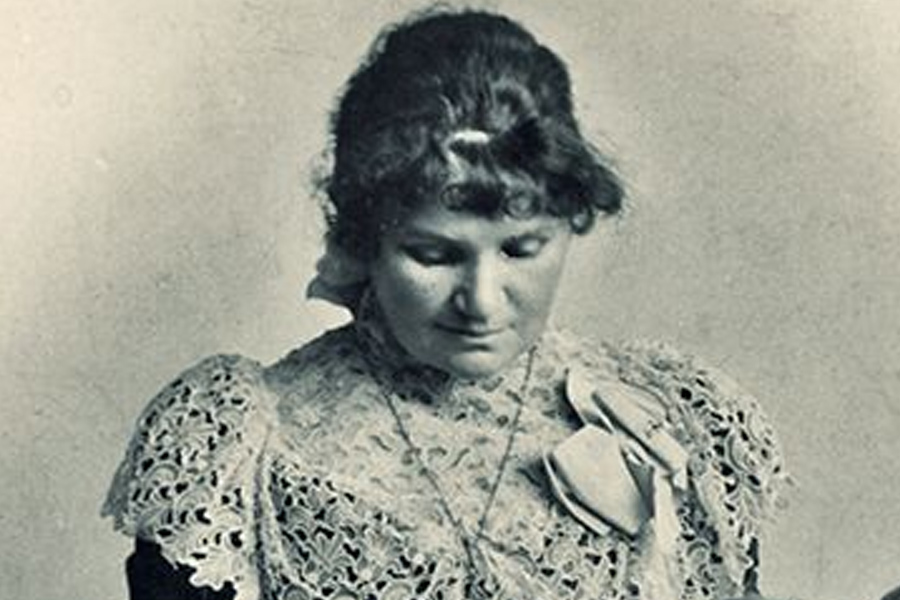
I begin with the skeleton of a life in dates because dates hold the bones of memory. Franziska Tiefenbrunn was born on 21 April 1859 in Munich and died on 15 July 1923 in Munich. She married Heinrich Ernst Göring on 26 May 1885. Her husband died in 1913. She lived through the last decades of the 19th century and into the early 20th, a period that reshaped Europe. I see her life as a hinge between generations. The hinge moved slowly but with steady pressure.
Family tree at a glance
I like clean schematics when names pile up. Below I set out the key relations in a simple table to keep the cast clear.
| Relationship | Name | Dates or note |
|---|---|---|
| Self | Franziska Tiefenbrunn | 21 April 1859 – 15 July 1923 |
| Father | Peter Paul Tiefenbrunn | early 1800s – unknown |
| Mother | Elisabeth Fackler | dates uncertain |
| Grandfather | Franz Michael Tiefenbrunn | born 23 Sep 1785 (recorded) |
| Grandmother | Anna Katharina Hengg | dates uncertain |
| Spouse | Heinrich Ernst Göring | married 26 May 1885 – died 1913 |
| Children | Karl-Ernst, Olga, Paula, Hermann Wilhelm, Albert Günther | births c. 1885 to 1895 |
| Close companion | Hermann Epenstein | household friend and patron |
This table is a map. It does not tell the weather inside the house, but it keeps the roads straight.
The private role I see her occupy
More than a public figure, Franziska is a domestic anchor in my opinion. Records and family narratives portray her as the matriarch of a household that balanced private allegiances, social mobility, and diplomatic duty. Her husband held colonial and consular positions overseas. This meant that family life was characterized by the distinctive economy of diplomat houses as well as rhythms of mobility, absences, and returns. In my mind, she is a steward and a stabilizer, managing a household and children while negotiating the social mores of the day.
At the same time, the story has a more nuanced, complex presence. In family stories, Hermann Epenstein is portrayed as Franziska’s enduring companion and affluent friend. He provided financial assistance as well as sanctuary at castles and country homes. He is a pillar bearing a shadow in the architecture of memory. Some family stories resemble fog at dusk in that they make vague outlines without verifying the outline. I take note of such recommendations and proceed with caution. Even though they are not certain, they are a part of the familial environment.
Children who later carried different legacies
A mother is often judged by the company her children keep. Franziska raised several children between roughly 1885 and 1895. The most visible are the two sons born in the 1890s.
- Hermann Wilhelm Göring – born 12 January 1893. He later became a prominent and infamous figure in German history. I note his date and the fact that his life cast a long, complicated shadow over the family name.
- Albert Günther Göring – born 9 March 1895. He followed a different path and is remembered for actions that complicated the family portrait.
There were other children as well – Karl-Ernst, Olga, and Paula – who form the quieter branches of the family tree. They mattered in household life. They did not all leave big footprints in public history, but I treat their existence as part of the texture.
Finances, standing, and the scaffolding of social life
I find no record of Franziska holding an independent public career. Her social and material standing was tied to two main pillars: her husband Heinrich Ernst Göring and the patronage of Hermann Epenstein. Diplomatic salaries provided a baseline. Epenstein’s resources translated into homes and opportunities that shaped the family environment. Castles and estates became part of the family’s geography. That landscape was both roof and stage.
I emphasize that financial detail is often absent from public registers. Personal ledgers, private accounts, and estate inventories would offer more precision. Those documents sit in archives or in private boxes, which makes the visible record a partial portrait.
Timeline of key events
- 21 April 1859 – Birth of Franziska Tiefenbrunn in Munich.
- 26 May 1885 – Marriage to Heinrich Ernst Göring.
- 3 August 1885 – Approximate birth of eldest son Karl-Ernst.
- 12 January 1893 – Birth of Hermann Wilhelm Göring.
- 9 March 1895 – Birth of Albert Günther Göring.
- 7 December 1913 – Death of Heinrich Ernst Göring.
- 15 July 1923 – Death of Franziska Tiefenbrunn in Munich.
The timeline reads like a ledger and like a heartbeat. It marks arrivals and departures.
Lesser known corners I noticed
A large portion of what we have access to today is shaped by family photos and genealogical pages. In family albums, I discovered pictures that were credited to Franziska. Additionally, I discovered family tales that are shared on genealogical forums and minor websites. These sites may provide a wealth of information, but their verification may be inconsistent. I do not treat them as foundations because of this, but rather as windows. Some narratives link family life to local estates and the notion that children’s upbringing was impacted by private contacts. Such possibilities are intriguing to me. They are not conclusive facts. The wallpaper has hints about them.
FAQ
Who exactly was Franziska Tiefenbrunn?
I see Franziska as a Bavarian woman born in 1859 who married into a diplomatic household. She was a mother, a household manager, and a central figure in the family life that produced several notable children. In daily terms she likely managed the routines and relationships that sustained a complex household.
Who were her parents and grandparents?
Her father is recorded as Peter Paul Tiefenbrunn and her mother as Elisabeth Fackler. Grandparents in the family record include Franz Michael Tiefenbrunn and Anna Katharina Hengg. These ancestors place her in a regional Bavarian lineage that reaches back to the late 18th century.
Who was her husband and what did he do?
Her husband was Heinrich Ernst Göring. He was a jurist and a diplomat with postings that included colonial administration and consular duties. His career shaped the family’s social station and mobility.
Which of her children mattered in history?
Hermann Wilhelm Göring, born 12 January 1893, is the most historically prominent. Albert Günther Göring, born 9 March 1895, is also notable for later actions that complicate the family narrative. Other children include Karl-Ernst, Olga, and Paula.
Did Franziska have a career of her own?
Not in the public record. I found no evidence of an independent professional career. Her role appears to have been centered on family and household responsibilities, with social status linked to her husband’s posts and to the patronage of household allies.
Is there controversy about paternity or private relationships?
There are longstanding family stories involving Hermann Epenstein, who was a close friend and supporter of the family and who lived as a companion to Franziska. Some narratives raise questions about intimate bonds and possible paternity questions. I treat those narratives as part of the family lore that is suggestive but not definitively proven.